


Bingo Farm Ways: Bingo Games
4.0567.00 Reviews
App Specs
- Version
- 1.304.679
- Updated On
- License
- Free
- Downloads
- 100,000+
- Developer
- Playcus Limited
- Categories
- Board
- Platform
- Android
Screenshots



 Analysis by AppCompare
I approached Bingo Farm Ways: Bingo Games expecting a familiar bingo experience, but its presentation quickly showed that it wants to be more active than a traditional number-calling game. It is a free board game from Playcus Limited that combines bingo rounds with quick decisions, power-ups, and the promise of larger rewards. That mix makes it easy to understand at first glance, while still giving experienced players something to manage beyond simply marking called numbers.
My first impression was that it suits short, casual sessions particularly well. You can start a round without learning a complicated rule set, yet the pace gives each turn a little more urgency than a printed bingo card. The game is rated Everyone 10+, has passed the hundred-thousand-install mark, and holds a 4.0 average from roughly 3.3 thousand ratings. Those figures suggest a reasonably established audience, although they do not change the central question: whether you enjoy bingo with an added layer of action and reward management.
What the first few minutes feel like
After installing it, I would recommend treating the opening session as a guided test rather than immediately trying to optimize every move. The important thing is to understand how the board, called numbers, power-ups, and round rewards relate to one another. The basic bingo goal remains recognizable, so a player who already knows the genre can begin quickly. The extra systems are what determine whether the game feels exciting or distracting.
The game is free to download, which makes it easy to try without committing money at the start. It does include optional purchases ranging from $0.99 to $99.99 per item, so I would make a personal spending decision before playing for a long session. That is especially useful in a reward-focused game: decide whether you are happy to play only with what the free experience provides, or whether you are comfortable considering purchases later. I prefer making that choice before a fast round creates pressure.
On compatible devices, the minimum operating system is Android 7.0. The current version is 1.304.679, so checking that your phone or tablet meets the requirement is the sensible first step. Once the game opens, take a moment to identify the main play area and the controls around it. In a quick bingo round, tapping too early can be more frustrating than taking a few seconds to learn where everything is.
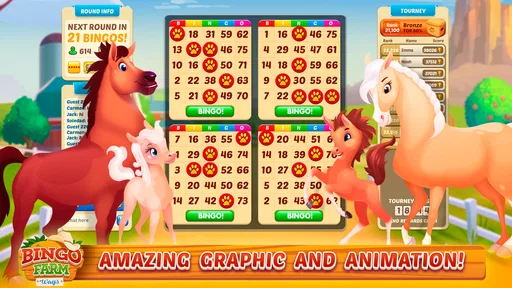
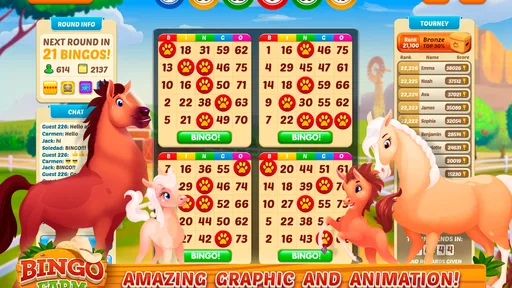
The visual theme gives the standard board a lighter, farm-inspired identity rather than presenting it as a plain hall or card table. That matters because the game is designed to feel like a sequence of lively activities, not a quiet paper-bingo simulation. If you prefer slow, social bingo with plenty of time between calls, the pace may feel busy. If you like a familiar rule wrapped in a more animated format, the approach is easier to appreciate.
Setting up a comfortable first session
For a first attempt, I would use a stable connection and play somewhere you can focus for a few minutes. The rounds are built around attention, and dividing your concentration between the board and another task makes the power-up layer harder to understand. This is not a game I would begin while walking, cooking, or switching constantly between applications.
Worth Reading Before You Choose

EA SPORTS FC Mobile 26 Is a Bigger Football Game, but It Takes Time

Flipboard Shows What News Apps Must Do Beyond the Feed

Switching to Android Auto Means Rethinking Your Driving Routine

Google Calendar Makes a Crowded Week Easier to Manage

Ludo King Makes the Most of the Minutes Between Plans

Baby Panda World Brings Quick Play to Modern Phones, but Its Game Library Feels Busy
I also suggest starting with the smallest commitment possible. Do not spend anything simply because a reward screen appears after a round. First learn how the normal progression feels, how quickly you recognize useful opportunities, and whether the game’s tempo works for you. The free entry is enough to answer those questions.
One practical habit helped me: I looked at the whole interface before tapping through the first round. Bingo players often focus so closely on the numbers that they overlook surrounding buttons. Here, that can mean missing the reason a power-up is available or using it without understanding what it is meant to accomplish. A short inspection makes the first meaningful win feel earned rather than accidental.
The age rating of Everyone 10+ is also worth keeping in mind for families. It is not a guarantee that every child will enjoy the pace or understand the purchase prompts, so younger players may still benefit from an adult setting clear boundaries. For adults, the rating simply places the game in the accessible casual-board category rather than presenting it as a mature or intense title.
How to reach the first meaningful success
The first useful milestone is not necessarily the biggest reward. I consider it a successful opening when I complete a round while understanding why I used a power-up and how it affected my chances. That knowledge is more valuable than tapping randomly and hoping the board resolves in your favor.
My approach is to watch the called numbers carefully, mark the board deliberately, and save attention for moments when the special tools can make a clear difference. In a fast round, the temptation is to activate every helpful-looking option immediately. I would resist that. A power-up is most useful when it supports a visible path toward completing a pattern, rather than when it is used merely because it is available.
This creates the first non-obvious trade-off in the game: speed and caution are both important, but neither works alone. Move too slowly and the action can feel stressful; move too quickly and the added systems become noise. I found that scanning the board in a consistent order is more reliable than jumping toward whichever number or icon catches my eye. That small routine reduces mistakes without turning the session into serious study.
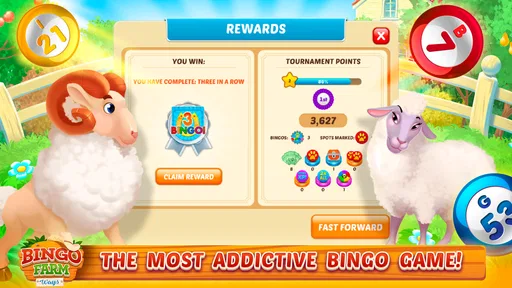
When a round ends successfully, pay attention to the reward flow instead of immediately starting another game. This is where a new player can learn what the game considers progress and which resources are meant for later use. The reward screen is not just a celebration; it is a chance to understand whether you have gained something for future rounds or simply finished the current challenge.
The best first goal is controlled understanding, not instant maximum rewards. Once you know how the board and power-ups work together, the game becomes less dependent on frantic reactions. You can then decide whether you enjoy its rhythm and whether the reward structure gives you a reason to return.
Where new players commonly get confused
The biggest likely source of confusion is the difference between ordinary bingo actions and the game’s action-oriented extras. Someone coming from a conventional bingo app may expect the board alone to determine everything. Here, the surrounding tools are part of the experience, so ignoring them can make the game feel less rewarding than it really is.
A second issue is the meaning of “fast-paced.” It does not mean that every player must rush from the first second. It means that the game asks for more active attention than a leisurely number caller. If you find the opening round overwhelming, I would focus on one task at a time: identify the called number, locate it on the card, and then check whether a special action is genuinely useful. That sequence is easier to repeat than trying to watch the entire screen at once.
Rewards can also create the wrong expectation. The store summary emphasizes huge awards, but I would not interpret that as a guarantee of frequent large outcomes. Reward-focused games naturally include variation, and a single successful round should not be treated as a promise that every future session will produce the same result. Enjoy the decisions and the board interaction first; regard rewards as part of the motivation, not as a dependable return.
Optional purchases are another point that deserves a calm approach. The available items span from $0.99 to $99.99, which is a wide range. I would avoid making a purchase during a frustrating streak or because a round feels close to completion. If you ever choose to spend, set a limit beforehand and treat it as entertainment spending. Players who dislike in-app purchase prompts or who want a completely fixed-cost experience may be happier with a paid board game or a simpler free bingo title.
There is also a difference between playing for relaxation and playing for improvement. The game’s quick decisions can make a short break feel lively, but they may not be ideal when you want background entertainment. A slower bingo alternative is better for that use case. Conversely, if ordinary bingo feels too passive, the power-up layer gives this title a clearer identity.
Using the game in an ordinary day
I can see this working well during a short break when I want something more engaging than scrolling but not something that demands a long story commitment. I would play one or two rounds, concentrate on the board, and stop before the reward chase turns the break into an obligation. That makes the game feel like a compact activity rather than a time sink.
It can also suit a player who enjoys learning small systems through repetition. The first session teaches the basic flow, while later sessions let you become more selective about when to use special tools. The important distinction is that improvement comes from recognizing situations, not from memorizing a large rulebook. That accessibility is one of the strongest reasons to recommend it to a friend who likes casual board games but wants more movement than classic bingo offers.
I would not recommend it as the first choice for someone seeking a deep strategy board game. The decisions are meaningful within a round, but the core remains bingo, so chance continues to play a central role. A traditional strategy title will offer more control over long-term outcomes. Likewise, players looking for a quiet multiplayer-style bingo room may prefer an app centered on social interaction rather than power-ups and rapid play.
Another useful scenario is playing on a tablet, where the board and surrounding controls have more room to breathe. On a smaller phone, careful scanning becomes more important, especially if your eyesight makes compact number grids tiring. I would test the interface for a few minutes before deciding whether the device feels comfortable. The game’s pace is more enjoyable when the board is easy to read without constant zooming or repositioning.
How its progression changes the experience
Once the novelty fades, the question becomes whether the combination of bingo and rewards can hold your attention. For me, the answer depends on how much I enjoy repeating short rounds with slightly better awareness. The game does not need to become a serious hobby to be worthwhile; it can succeed simply as a reliable casual diversion. However, players who need a strong story, extensive customization, or a clearly defined long-term strategy may find the loop limited.
My practical advice is to establish a stopping point. For example, finish a small number of rounds, review what you earned, and then decide whether you are still playing because the decisions are fun or merely because the next reward is visible. This is a useful way to keep the free-to-play structure from dictating your time. It also reveals whether the game works for you without relying on purchases.
Power-ups are best understood as tools for changing the feel of a round, not as replacements for paying attention. If you use them automatically, the experience can become a sequence of taps with little thought. If you save them for moments when the board presents a promising route, they add a modest tactical layer. That is the second important trade-off: special tools can make bingo more active, but they can also reduce the satisfaction of reading the board if they solve too much for you.
The reward emphasis may appeal to competitive-minded casual players, but it can be less comfortable for people who dislike variable outcomes. I would describe the game as a light decision game built on bingo’s uncertainty, not as a pure skill test. That distinction helps set fair expectations before investing time.
Who should try it and who should choose something else
I would recommend it to first-time mobile bingo players who want an approachable starting point, especially if the idea of power-ups and brisk rounds sounds more appealing than a static card. It is also a good fit for people who enjoy board-game rules presented with a playful theme and who are comfortable deciding whether optional purchases belong in their experience.
It is less suitable for players who want no purchase prompts, guaranteed outcomes, or a completely slow pace. It may also disappoint someone expecting a full strategy game, because the bingo foundation remains central. A classic offline bingo app is a better choice for quiet simplicity, while a dedicated strategy board game is better when every result should follow from deliberate planning.
Families should consider the Everyone 10+ rating and supervise spending choices rather than assuming that free installation means the entire experience has no cost-related decisions. Adults who share a device with children should make sure the child understands that optional items are not necessary to begin playing.
My recommendation after spending time with it
Bingo Farm Ways: Bingo Games works best when approached as lively casual bingo rather than as a guaranteed reward machine. I like that it gives the familiar board a more active rhythm, and I appreciate that a new player can begin without studying complicated rules. The first meaningful success comes from learning when to pay attention and when a power-up is worth using, not from blindly chasing every highlighted option.
Its limitations are equally clear. The pace will not suit everyone, the reward structure may feel distracting, and the range of in-app purchase prices means budget-conscious players should decide on boundaries early. Chance also remains part of the foundation, so anyone wanting complete control should look elsewhere.
Still, for a free board game that fits neatly into short breaks, it offers enough interaction to stand apart from ordinary bingo. I would install it if I wanted a quick, colorful session with a little more urgency than number calling alone. I would begin without spending, learn the board and power-ups through a few focused rounds, and then keep it only if the decisions—not just the promise of rewards—made me want to play again.
Pros
- Relaxing farm-themed gameplay with bright
- cheerful visuals.
- Simple controls make it easy for casual players to pick up.
- Multiple bingo cards add variety and keep rounds engaging.
- Short sessions suit quick breaks and on-the-go play.
- Progression and rewards provide motivation beyond each round.
Cons
- Frequent ads may interrupt play
- especially between rounds.
- Some features and bonuses may require in-app purchases.
- Later levels can feel repetitive once the novelty wears off.
- Winning may depend heavily on luck rather than player skill.
- An internet connection may be needed for certain game features.
FAQs for Bingo Farm Ways: Bingo Games
What is Bingo Farm Ways: Bingo Games?
Bingo Farm Ways: Bingo Games is a casual bingo experience that combines traditional number-matching gameplay with a colorful farming theme. Players complete bingo cards, collect rewards, and progress through different farm-inspired locations. The game is designed for short sessions, making it suitable for users who enjoy relaxed gameplay with light progression, decorative elements, and recurring challenges.
How do you play Bingo Farm Ways: Bingo Games?
Each round gives you one or more bingo cards while numbers are called automatically or manually, depending on the available game settings. You mark matching numbers and try to complete the required patterns before the round ends. Successful cards usually provide coins, boosters, or other rewards that can be used to continue progressing through the farm-themed stages.
Does Bingo Farm Ways: Bingo Games require an internet connection?
An internet connection may be needed for some parts of Bingo Farm Ways: Bingo Games, especially when loading new levels, synchronizing progress, displaying advertisements, claiming online rewards, or accessing limited-time events. Basic gameplay availability can depend on the version installed and the device. It is best to launch the game while connected before relying on it for offline play.
Is Bingo Farm Ways: Bingo Games free to download and play?
The game is generally available as a free download, allowing users to begin playing without purchasing it in advance. However, free-to-play games commonly include optional in-app purchases for coins, extra tickets, boosters, or faster progress. Advertisements may also appear during or between rounds. Check the store listing and your device’s purchase settings before downloading, particularly if children use the device.
Is Bingo Farm Ways: Bingo Games suitable for children?
Bingo Farm Ways: Bingo Games is easy to understand and uses simple number-matching mechanics, so it may appeal to children and families. Nevertheless, parents should review the age rating, advertising content, data permissions, and in-app purchase options shown on the relevant app store. The game’s free-to-play structure can encourage additional purchases, so parental controls are recommended for younger players.


